Stay Humble Bubble Typography: A Designer's Practical Guide
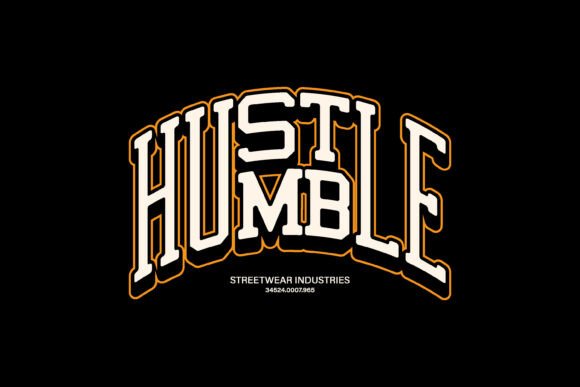
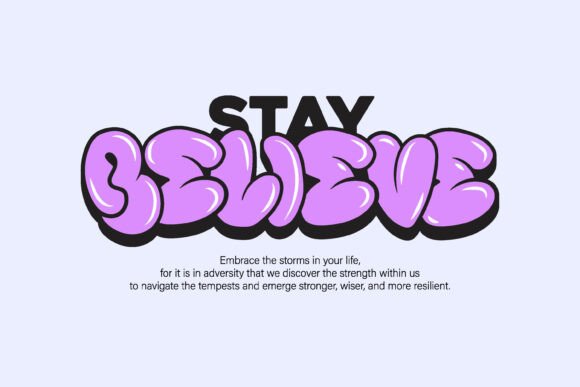
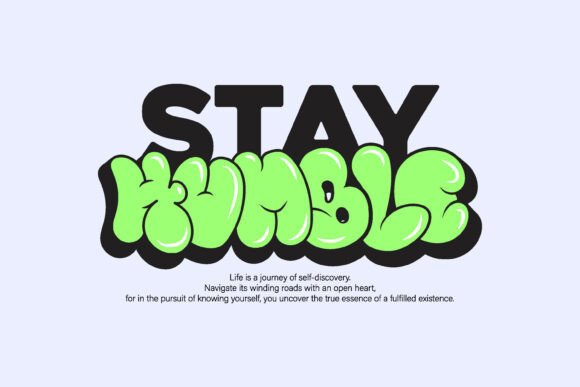
There’s a certain energy that comes from a typeface that doesn’t take itself too seriously. The Stay Humble Bubble Typography Graphic is one of those designs. It immediately grabs your attention with its rounded, inflated letterforms, but it does so with a sense of warmth and approachability rather than loudness. This isn’t a cold, geometric sans serif font or a traditional serif font with centuries of history. It’s a modern typography statement—a display font built for personality. The bubble effect gives each character a soft, three-dimensional quality, making text feel tangible, almost like it could bounce off the screen. This quality makes it a fantastic creative font for projects that need to convey friendliness, positivity, or a contemporary streetwear vibe without sacrificing clarity.
Where This Typeface Truly Comes Alive
Understanding where the Stay Humble Bubble Typography Graphic excels is key to using it effectively. Its core strength lies in short, impactful text. Think logo design for a new youth-oriented brand, a headline on a poster for a music festival, or the main text on a social media graphic announcing a sale. It’s a premium font that works exceptionally well in branding for cafes, lifestyle products, or any business aiming for a relaxed, modern identity. In packaging design, it can make a product pop on the shelf, especially for items targeting a younger demographic or those in the wellness and beauty space. For web design, it’s perfect for hero section headlines or call-to-action buttons where you need to inject energy without overwhelming the page’s overall hierarchy. It’s also a standout in editorial design for magazine covers or feature titles, adding a playful twist to a layout.
However, this style of display font has its limits. You wouldn’t set a long paragraph of body copy with it; readability would suffer significantly. Its charm is in its impact, not its endurance across dense text. For those situations, pairing it with a clean, neutral sans serif font or a classic serif font for body text is essential. This font pairing strategy creates a balanced visual hierarchy—the bubble typography draws the eye, while the supporting font ensures the message is easily consumed. It’s a design asset best used as a spice, not the main ingredient, in your typographic recipe.
Practical Considerations for Your Projects
Before you dive in, let’s talk practicality. The first step is always to evaluate the project’s fit. Is your target audience receptive to a playful, rounded aesthetic? If you’re designing for a law firm, probably not. If it’s for a new streetwear fashion brand, a creative agency, or a children’s educational app, the fit is almost perfect. The personality of the Stay Humble Bubble Typography Graphic must align with the brand identity you’re building.
Next, consider readability in context. Test it at the actual size it will appear. A bubble font that looks clear on your 27-inch monitor might become an unreadable blob when printed small on a tote bag or viewed on a mobile phone. Always conduct a simple squint test—if you can still discern the general shape and word from a distance, you’re on the right track. This is crucial for merchandise like t-shirts and hoodies, where the message needs to be understood quickly.
Since this is a vector design asset, its versatility is a major advantage. The included EPS files mean you can resize it infinitely for anything from a tiny favicon to a massive billboard without any quality loss. You can also easily recolor it to match any brand palette, a fundamental step in maintaining brand consistency. For print-on-demand sellers and designers, this is a commercial font that offers tremendous flexibility. Always review the specific licensing included with your download to ensure it covers your intended commercial use, whether for selling finished products or using it in client work.
Integrating It Into Your Creative Workflow
Think of the Stay Humble Bubble Typography Graphic as a tool for adding a specific emotional tone. In social media graphics, it can make a promotion feel more celebratory and less corporate. In merchandise design, it transforms a simple quote into a stylish, modern piece of wearable art. For content creators and bloggers, using it for section headers in a newsletter or on a website can break visual monotony and inject personality into the layout.
The key to using any creative font effectively is restraint and context. It’s not about using it everywhere, but about using it in the right places to achieve a specific effect. It’s a typeface that can elevate a design from ordinary to memorable when applied thoughtfully. Whether you’re crafting a new brand identity, designing a line of custom printed clothing, or simply looking for a fresh display font to add to your toolkit, understanding its strengths and appropriate applications will make you a more effective and versatile designer.