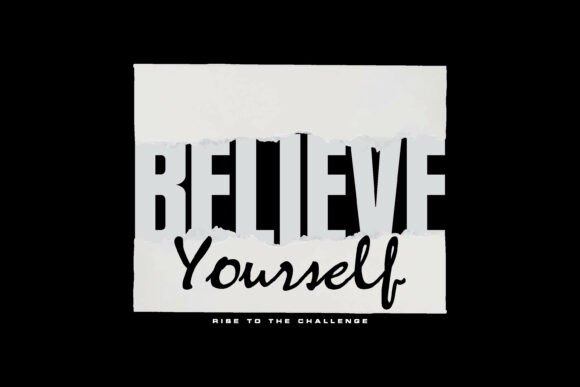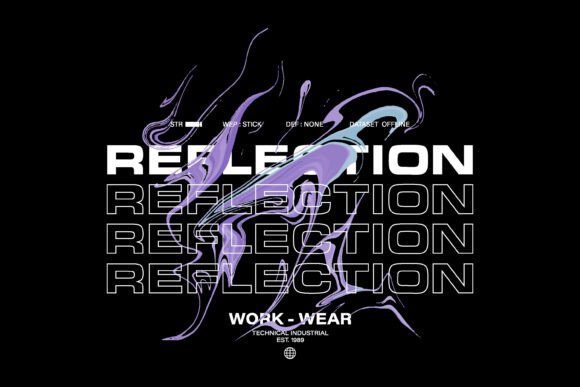
Resurrection Typography Graphic Tee: A Design Asset with Depth
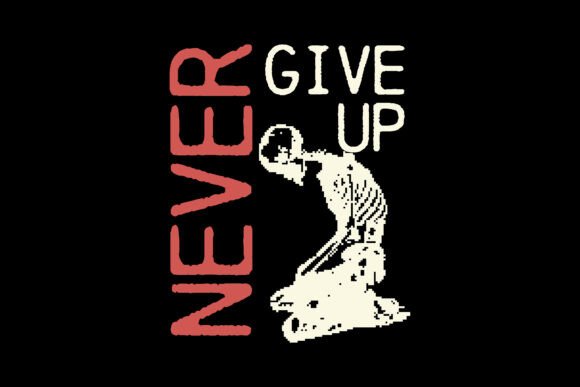
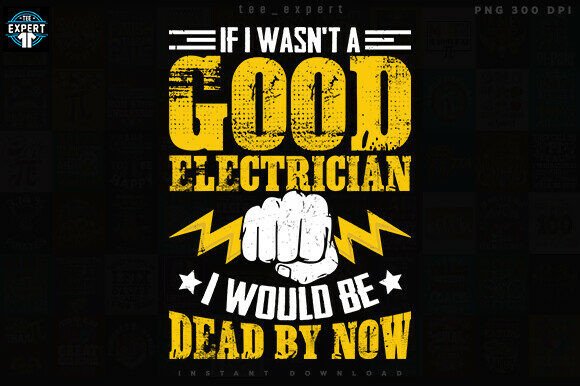
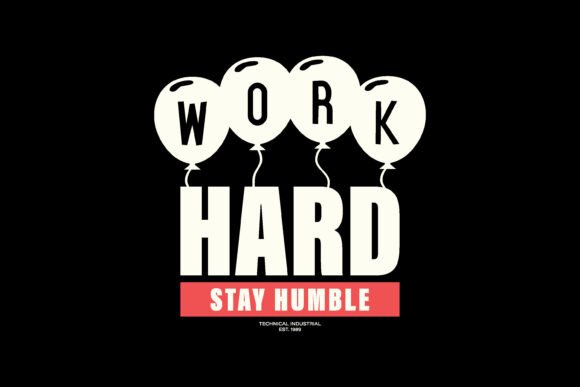
Finding a design element that truly captures a mood is a constant challenge. The Resurrection Typography Graphic Tee concept does exactly that, offering more than just a font—it provides a visual language. This style is characterized by its distressed, weathered letterforms, often evoking a sense of vintage revival or post-industrial texture. It’s not clean and corporate; it’s raw, tactile, and full of character. The personality here is one of resilience and authenticity, making it an ideal foundation for projects that need to feel grounded, nostalgic, or powerfully understated.
Practical Applications Beyond the T-Shirt
While its name suggests apparel, the Resurrection Typography style is a versatile creative font for a wide array of design assets. Its textured appearance translates exceptionally well to packaging design for craft products, artisanal goods, or anything with a handcrafted story. For logo design, it can lend instant heritage and substance to a brand, particularly in the craft beverage, outdoor gear, or vintage clothing sectors. In editorial design, it serves as a compelling display typeface for magazine headlines, book covers, or blog graphics that aim for a gritty, impactful aesthetic.
In the digital realm, this typography shines in social media graphics where stopping the scroll is paramount. A bold, textured wordmark can cut through the noise of polished feeds, offering a refreshing dose of reality. It’s equally effective in web design for hero sections, promotional banners, or portfolio headers for creatives like photographers and tattoo artists. The key is using it as a display font—for short, high-impact phrases—not for body text. Its strength lies in making a statement, not in conveying paragraphs of information.
Influencing Brand Perception and Audience Connection
Choosing a typeface is a strategic decision that directly shapes how an audience perceives a brand identity. The Resurrection Typography Graphic Tee style communicates specific values: authenticity, craftsmanship, and a rejection of the overly polished. For a streetwear brand, it aligns perfectly with urban culture and a DIY ethos. For a publisher, it can signal a focus on gritty, real-world narratives. This type of modern typography builds recognition through its distinct texture. When used consistently across a brand’s touchpoints—from merchandise to website headers—it creates a cohesive and memorable visual hierarchy that feels intentional and curated.
The impact on readability is a crucial consideration. This is not a font for legal disclaimers or lengthy product descriptions. Its distressed nature can reduce clarity at small sizes or in dense blocks of text. The practical guidance is simple: use it for headlines, logos, and short quotes where its texture enhances the message. Always pair it with a cleaner, highly legible sans serif font or a simple serif font for supporting copy. This pairing ensures your design maintains both stylistic impact and functional clarity, a balance every designer and marketer must strike.
Making This Design Asset Work for You
Evaluating if this style fits your project is the first step. It’s perfect for print-on-demand sellers creating apparel, mugs, and posters with attitude. It’s a tool for designers building brand identity kits that need a rugged edge. For content creators and bloggers, it’s a way to develop standout graphics for thumbnails and promotional images. Its versatility as a vector asset means it can be scaled, recolored, and adapted—making it a practical component in a professional designer’s toolkit.
When you acquire a resource like the Resurrection Typography Graphic Tee collection, you’re investing in commercial font files, typically provided as editable vectors. This allows for deep customization. You can adjust kerning, modify ligatures, or integrate the letterforms into larger illustrations. Always review the included file formats—EPS files are industry-standard for their editability—and ensure the licensing covers your intended use, whether for personal projects or commercial merchandise. Testing the font in your specific design software before finalizing a purchase is a practical step that can save time and ensure compatibility.
Ultimately, this typography is a tool for storytelling. It doesn’t just display words; it imbues them with texture and history. Used thoughtfully, it can elevate a simple graphic tee into a statement piece, transform a logo into a badge of authenticity, and give digital content a tangible, analog feel. For the designer, entrepreneur, or creative professional, it’s an asset that offers a distinct voice in a crowded visual landscape. The goal isn’t to follow a trend, but to find a typeface that resonates with your project’s core truth—and the Resurrection style offers a powerful, textured way to do just that.